Climate Perspectives
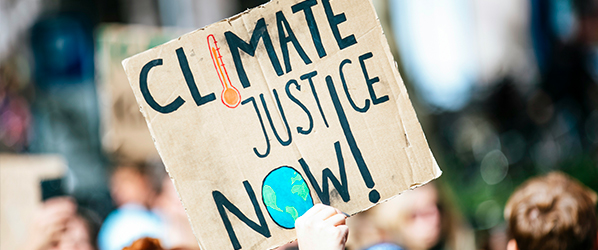
The climate crisis is a human rights crisis. The Global Campus is integrating a climate perspective into its education, research and outreach, so that the next generation of human rights leaders is ready to take effective climate action.
A Partnership to Advance Climate Action through Human Rights
In 2026, the Global Campus launched a three-year partnership with the German Federal Ministry for Economic Cooperation and Development (BMZ). The partnership enables the Global Campus to strengthen the integration of climate perspectives across our work in human rights education, research and advocacy. It builds on our network of more than 100 universities and our global community of students, researchers and alumni. Two priority themes will run across the various activities: global climate governance and climate-induced migration.
Through this cooperation, we are anchoring climate perspectives in our Master’s programmes, carrying out new cross-regional research, and supporting young people to become ambassadors for climate action in their own communities.
Climate Action in our Classrooms
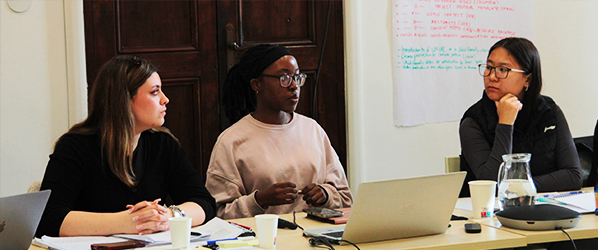
Future human rights leaders need to understand climate change and the legal and human rights standards that apply to it. Across the Global Campus Master’s programmes, we are integrating climate perspectives into teaching and offering scholarships and internships for young climate & human rights ambassadors. We are also developing practice-oriented formats such as training schools and field trips, and creating new teaching resources for educators in and beyond our network. Our cross-regional School on Climate Action and Human Rights, co-organised with GC Caucasus and the State University of Moldova in Chisinau, is one such example. Free online resources and courses will further open learning opportunities to audiences worldwide.

Research on Global Climate Governance and Climate-induced Migration
Two cross-regional research projects provide the substantive foundation of this partnership. The first examines global climate governance from a human rights perspective, including state obligations under international law and the recent Advisory Opinions by various international courts on climate change. The second looks at the drivers of climate-induced migration towards Europe through the Mediterranean region, and at the measures that respond to them, with attention to gender, children’s rights and other at-risk groups. Findings will be translated into accessible outputs, all freely available.
Youth Engagement for
Climate Action
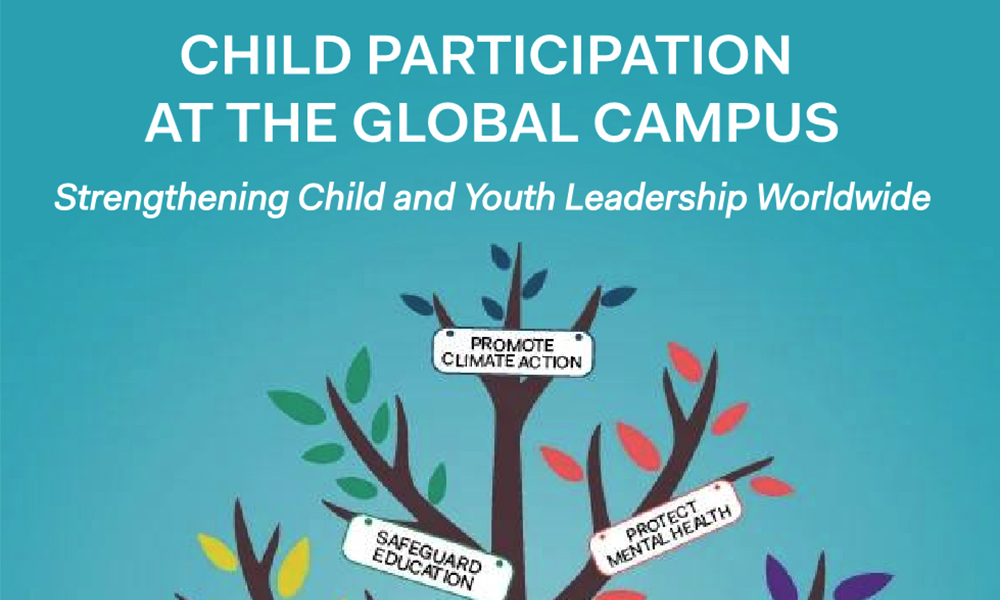
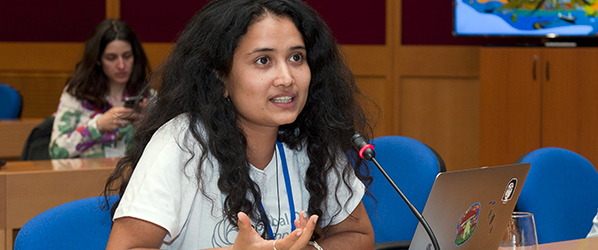
Our students, alumni and young people are central to this work. The partnership will facilitate a cross-regional learning and research lab on climate-induced migration in 2027, bringing together students and alumni from all Global Campus regions for joint research and exchange. In addition, our alumni community is mobilised through microgrants for climate justice projects. Our children’s rights work on climate action is further boosted through targeted support to activities of our Child Leadership Teams and Youth Advisory Group. Together, these will connect research, education and action at the community level.
Outreach and Dialogue
To share what we learn, we will launch an open digital platform for all project resources (www.humanrightsforclimate.org). Our research findings will be shared by convening international stakeholders from academia, government, inter-governmental organisations, justice mechanisms and civil society. Stay tuned for our next events.