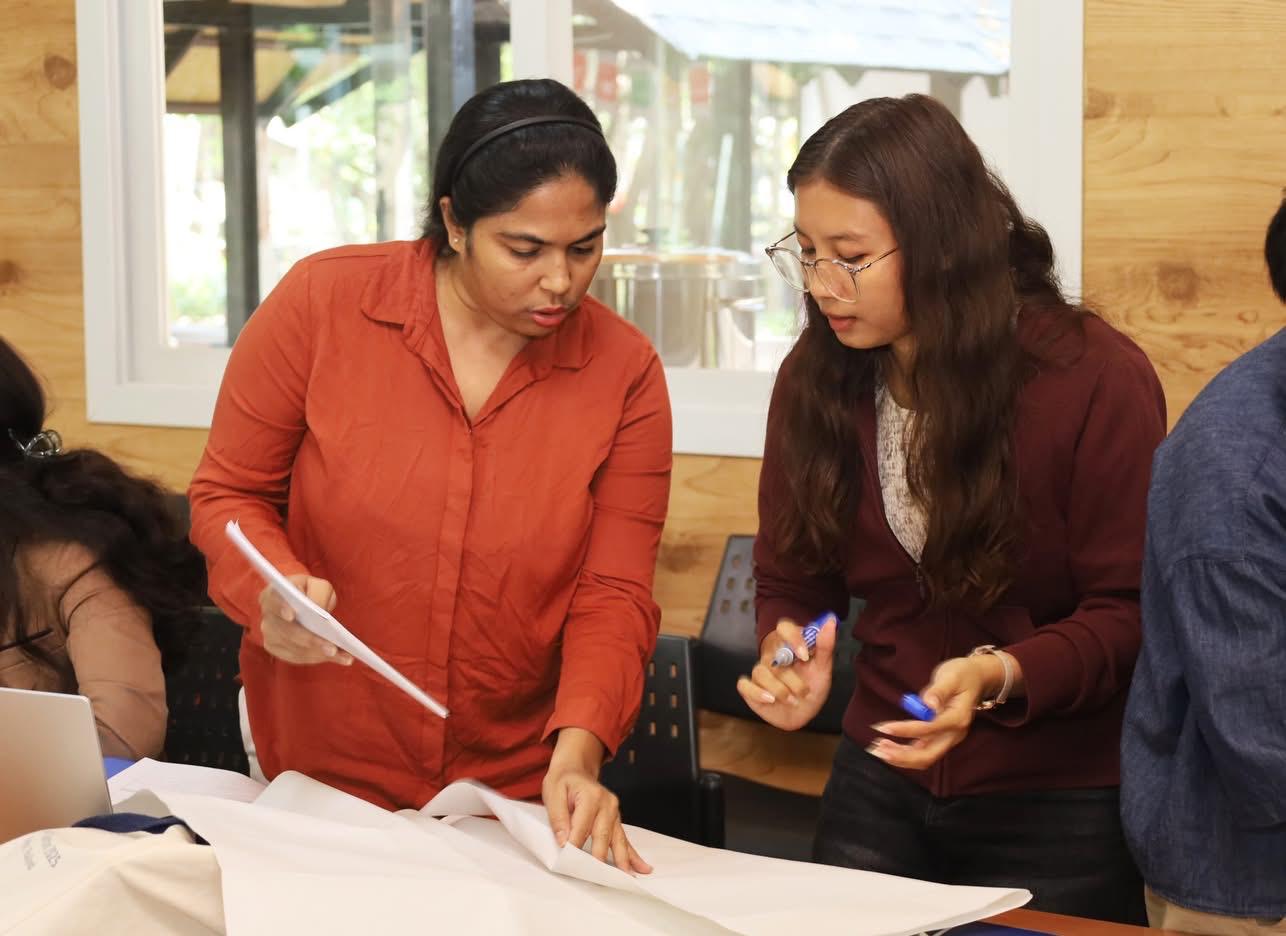
The workshop, titled “Researching on (with) Children: Beyond Procedural Ethics toward Relational Engagement,” was organised within the Global Campus – Right Livelihood partnership on children’s rights, and implemented by IHRP in collaboration with local NGO partners. Participants included seven consultants working directly with children in Bangladesh, India, Pakistan, Nepal, Sri Lanka and Thailand through the Children Leadership Team (CLT) initiative, alongside graduate students from IHRP.
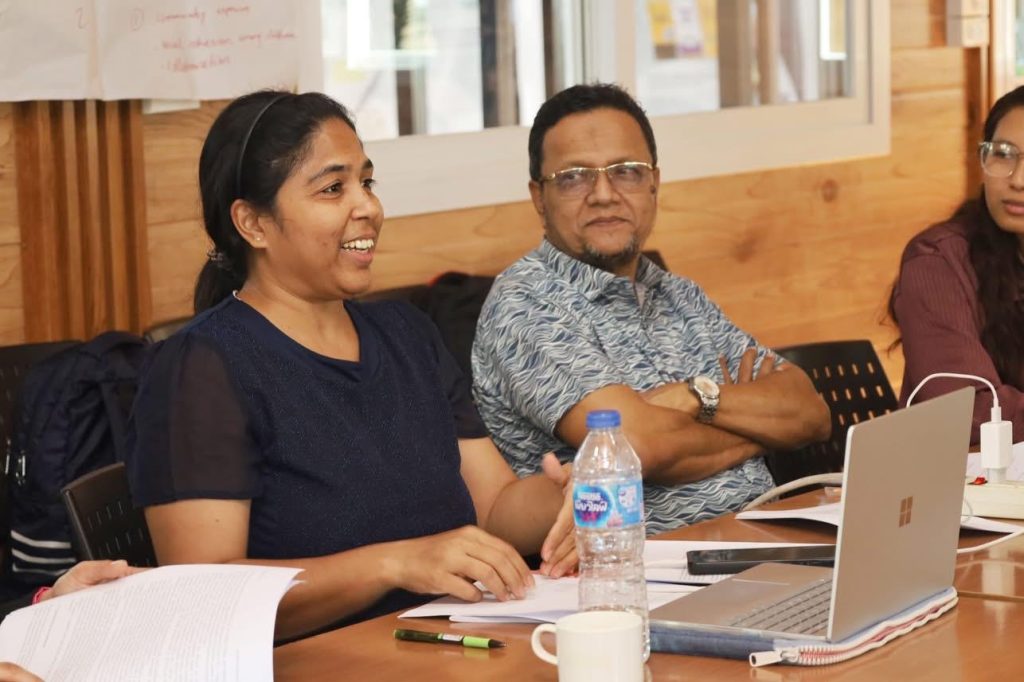
Over the past three years, the CLT initiative has supported children to form peer groups and youth clubs, lead thematic discussions, and engage with authorities, ministries and community leaders. Children involved have also contributed to international processes, including consultations with the UN Committee on the Rights of the Child (2024–2025) and the Global Commission on Drug Policy (late 2025). Despite these achievements, practitioners identified two persistent challenges: limited conceptual grounding in child participation as a right within research settings, and uneven familiarity with academic and institutional research ethics requirements.
The workshop therefore focused on strengthening NGO capacity to facilitate meaningful and inclusive child participation. Sessions explored different levels and forms of participation, the risks of tokenistic engagement, and approaches to ensuring inclusion of refugee children, minority groups, and children affected by structural inequalities related to caste, class, literacy, age and psychosocial conditions.
A second core theme addressed ethical standards and protection. Discussions examined informed consent, guardianship, and the recognition of children as a particularly vulnerable group in research. Facilitators from both academic and NGO sectors emphasised that ethics must be treated as an organisational responsibility rather than a procedural formality, encouraging participants to adopt relational and context-sensitive approaches.
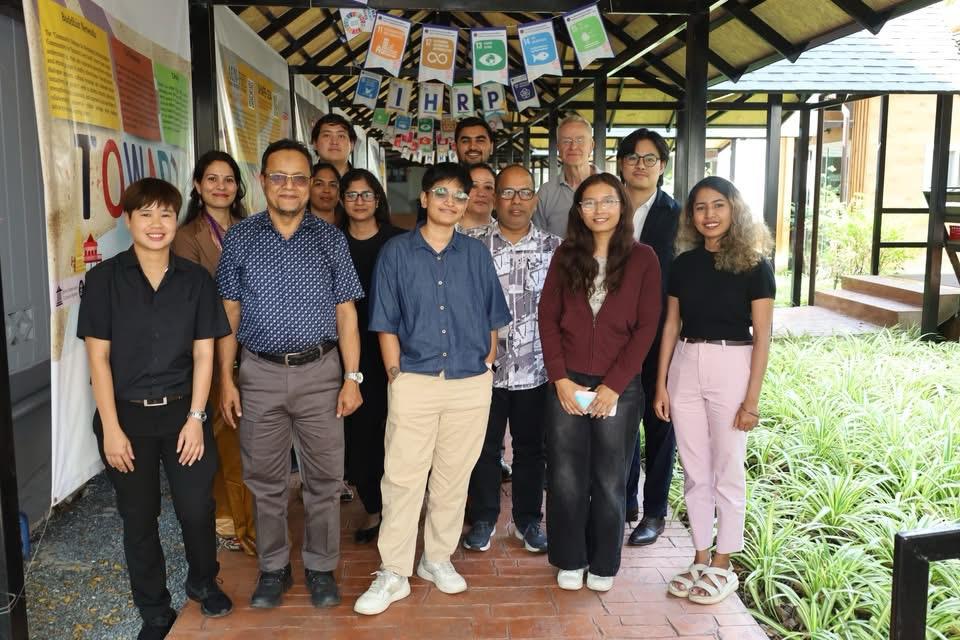
Participants shared field experiences from diverse national contexts, including work on refugee education in Bangladesh, climate justice and substance-use prevention in India, discrimination against girls and refugee children in Pakistan, child labour in Nepal, minority rights in Sri Lanka, and mental-health-focused education environments in Thailand. Contributions from Global Campus staff Barbara Strasser and John Paul Amah further connected regional practice with global children’s rights initiatives.
By the conclusion of the workshop, participants reported a stronger shared understanding of rights-based participation and improved capacity to design ethical engagement processes. Practical tools and checklists were introduced to support ongoing CLT activities. The event marked an important step in deepening collaboration between academic institutions and NGOs, reinforcing a shift from compliance-focused ethics toward reflective, child-centred research practices across the region.
Drafted by Mst Umme Habiba Fahmina Karim, PhD
Lecturer, Institute of Human Rights and Peace Studies (IHRP), Mahidol University
GC Regional Children’s Rights Officer for Asia-Pacific