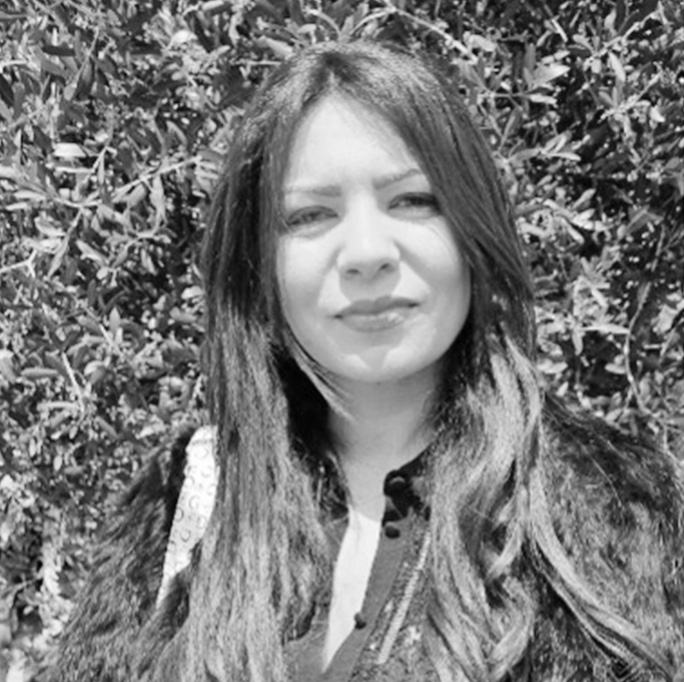
A key contribution of the book The Person She Was Is Dead is to advance a human rights-based approach to emergencies by demonstrating that survivor-led accountability, particularly women-led, is not a post-crisis add-on, but a core component of preparedness, response, and long-term recovery. Published by the present author in 2025 in memory of the 4 August 2020 Beirut port blast victims, the book shows how neglecting human rights transforms emergencies into prolonged injustice, while rights-centred action enables accountability, resilience, and systemic reform.
This catastrophic incident was one of the biggest non-nuclear explosions ever recorded, which led to the death of innocent victims, including toddlers, children, and elders. It was not a disrupting unforeseeable accident, but the violent outcome of years of political negligence, corruption, institutional decay, and disregard for public safety obligations. In particular, 246 people were killed, thousands were injured or disabled, and entire neighbourhoods were destroyed at the centre of the capital, including residences, offices, retail, restaurants, schools, hospitals, and public infrastructures. Yet the most enduring damage lies not only in physical devastation, human and material loss, and painful memories, but in the complete rupture of trust between the citizens and the state. Such an event revealed how emergencies become human rights crises when preparedness frameworks fail to prioritise life, transparency, and accountability.
Significantly, emergencies (whether industrial disasters, pandemics, or climate-related catastrophes) do not suspend human rights obligations stemming from international and national laws. On the contrary, they test the ability of governmental institutions to uphold them under pressure. In Beirut, high-ranking authorities’ officials and military officers were repeatedly warned about the presence of the improperly stored, extremely dangerous, and highly explosive ammonium nitrate, yet they either failed, neglected, or intentionally refused to act. This constituted a foreseeable violation of the rights to life, safety, and security. The absence of preventive measures, independent oversight, and emergency planning transformed a known risk into a mass casualty event.
After the first explosion, the lack of taking immediate safety measures to evacuate citizens, avoid multiple casualties, and contain the danger on site, by the government, related authorities, and military officials, resulted in a second explosion, the deaths of 10 firefighters, and more innocent civilians who could have survived and been saved. Even after the tragedy, delayed assistance, political interference in investigations, and institutional paralysis compounded the harm and deepened the wounds of the victims’ family members.
These dynamics are not unique to Lebanon. From the tragic civil war to the global COVID-19 pandemic, in addition to the devastating critical financial crisis and economic inflation, the highly difficult situations in Lebanon have demonstrated that neglecting human rights deepens vulnerability and prolongs suffering. Responses rooted in secrecy, coercion, or exclusion consistently fail, while approaches grounded in transparency, participation, and dignity produce better outcomes. Beirut exemplifies this lesson with overwhelming clarity: when accountability is absent, emergencies metastasise into long-term injustice.
Women as agents of accountability
In consequence of the brutal explosion at Beirut port, women survivors and victims’ relatives emerged as key actors in the struggle for truth and justice. Disproportionately affected by the loss of family members, homes, businesses, livelihoods, and psychological trauma, they transformed grief into sustained civic and legal action. Their leadership in their pursue for justice challenges dominant emergency narratives that portray victims as passive recipients of aid, rather than rights-holders and political actors, also highlighting the gendered nature of crisis response.
Notably, these strong and resilient women organised protests in Lebanon, pursued domestic and international litigations; with the support of NGOs, they engaged with international monitoring mechanisms such as UN human rights independent experts, by submitting testimonies and legal files, urging them to call on the UN Human Rights Council to establish an international investigation. These women made efforts to pursue their rights to truth, accountability, and effective remedies, by directly challenging the political interference in national judicial processes and exposing the structural impunity embedded in the local governance systems. Their activism clearly demonstrates the intersection of gender, rights, and legal accountability in emergencies.
While women often bear disproportionate social and emotional burdens during disasters, they are also fundamental to community mobilization, memory-keeping, and advocacy. In Beirut, the enduring, resilient, and strong women, who are victims’ mothers, wives, sisters, and relatives, became the main iconic moral and legal conscience of the post-disaster thriving response, insisting that justice is not optional or conditional, even in moments of national trauma.
Their actions reflect core principles of a human rights-based approach: participation, empowerment, transparency, and accountability. Rather than accepting humanitarian relief as sufficient, they demanded responsibility for preventable harm. In doing so, they reaffirmed a foundational HRBA principle, namely that states have an obligation not only to respond to emergencies but also to prevent foreseeable harm and provide remedies when violations occur.
The pursuit of justice extended beyond Lebanon’s borders. Collaborations with international NGOs such as Human Rights Watch (HRW), legal experts, and foreign governments have illustrated the importance of transnational advocacy when domestic accountability mechanisms are obstructed. Calls for targeted sanctions, including Magnitsky sanctions, sought to apply pressure on local corrupt officials who obstruct investigations or benefit from impunity. While such measures cannot replace domestic justice, they reinforce judicial independence and affirm victims’ claims as legitimate demands grounded in international human rights law.
From emergency to rights-based preparedness
An essential contribution of The Person She Was Is Dead lies in reframing preparedness as a rights-based process rather than a purely technical exercise. Preparedness is often reduced to logistics, such as equipment, protocols, and coordination; however, although these logistics are essential and mandatory, they are insufficient without a framework that anticipates rights-related risks, addresses structural inequality, and embeds accountability before a disaster strikes.
The Beirut port explosion on 4 August 2020 illustrates the consequences of preparedness divorced from human rights. Hazardous materials were stored without oversight, warnings were ignored, and responsibility was fragmented across governmental and military institutions designed to evade accountability. Moreover, when the explosion occurred, the absence of transparent emergency governance was translated into delayed assistance, fragmented recovery, and a stalled judicial process.
Instead, a rights-based preparedness framework would have required prevention, public access to information and truth, independent monitoring, and mechanisms for redress. It would have recognised affected communities as stakeholders rather than liabilities. The failure to adopt such an approach did not merely worsen the emergency, but it formed also a prolonged crisis that continues to shape victims’ relatives and survivors’ lives years later.
The book also foregrounds the temporal dimension of emergencies. Crises do not end when debris is cleared or media attention fades. Victims’ relatives still long for the loved ones they tragically lost, and will not rest until they bring them justice, and survivors continue as well to face trauma, displacement, and socio-economic marginalisation long after the disastrous and grievous event. As seen in both industrial calamities and pandemics, neglecting rights at the outset generates long-term harm that undermines resilience and social cohesion. Rights-based preparedness is therefore fundamental and indispensable, not only for immediate protection, but also for sustainable recovery.
Narrative and memory are central to this process. Archiving and recording survivor testimonies preserves evidence, counters denial, and validates experiences often erased from official accounts. In Beirut, women’s heartbreaking narratives and painful depositions function as acts of resistance against corrupt local governmental, institutional, and judicial amnesia. By documenting loss, negligence, and ongoing injustice, they transform personal testimony into collective demands for reform, which is an essential component of HRBA, that recognizes lived experience as a source of knowledge and accountability.
As emergencies intensify worldwide through climate disasters, industrial risks, and pandemics, the Beirut port case stands as both a warning and a role model. When rights are ignored, crises multiply, but when they are operationalised, even profound tragedy can become a catalyst for accountability, dignity, and long-term justice.
The Beirut port case further underscores the importance of multidisciplinary engagement. Legal accountability alone cannot address the full scope of harm. Human rights advocates, medical professionals, mental health specialists, urban planners, and policymakers must work collaboratively to ensure recovery is holistic and rights-centred.
Despite its devastation, the Beirut port explosion also revealed the transformative potential of crisis. Civil society mobilisation, survivor-led advocacy, and international solidarity exposed systemic failures that had long been treated as normal. Women relatives of victims demonstrated that emergencies could catalyse reform when human rights guide the response. Their persistence reframed justice not as revenge, but as a prerequisite for prevention, dignity, and future safety.
In conclusion, it is argued that accountability, participation, and survivor agency are foundational and not optional. In The Person She Was Is Dead as well as in its cover and internal paintings, the author illustrates tearfully how elevating women’s voices could transform catastrophe into a site of legal and political struggle that strengthens resilience rather than eroding it. Beirut, which in history was devastated and destroyed multiple times, offers urgent lessons for global emergency governance: preparedness must integrate human rights from the outset, justice must be non-negotiable, and survivors must be recognised as pioneers and architects of recovery.