Global Campus of Human Rights | Education & Research

FULL MENU

Democracy & Governance

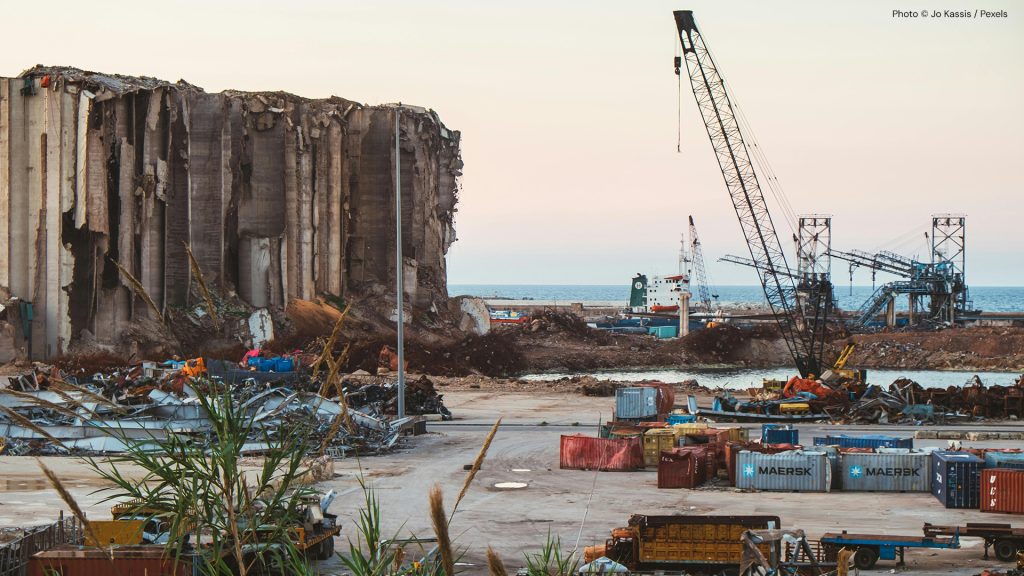
The Person She Was Is Dead: emergencies and lessons for rights-based preparedness

A review of survivor women in the context of the Beirut Port explosion in 2020 shows how neglecting human rights worsens harm, while rights-based preparedness can turn tragedy into resilience, truth, accountability, and the pursuit of lasting justice.

The Person She Was Is Dead: emergencies and lessons for rights-based preparedness Read More »
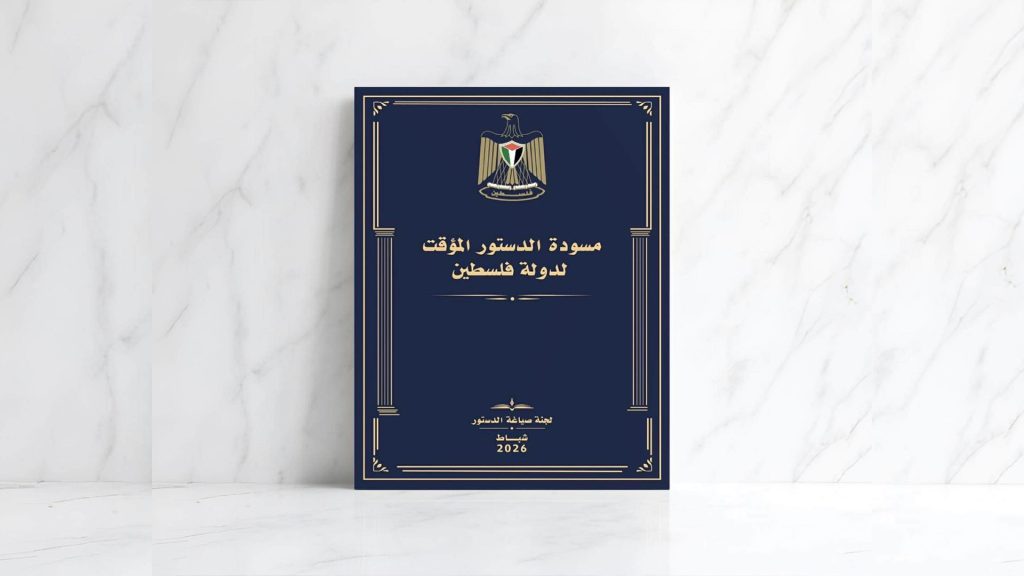
A constitution for a state in the making: the draft of the Palestinian interim Constitution

The draft Palestinian Interim Constitution reflects a unique constitutional process shaped less by internal mobilisation than by international recognition and reform pressures. While it provides important human rights guarantees, concerns remain on executive dominance, legitimacy of the drafting process, and institutional balance.

A constitution for a state in the making: the draft of the Palestinian interim Constitution Read More »

Witnessing the quiet dismantling of the Tunisian human rights system and preparing resilience

Tunisia illustrates how drastic political shifts can disrupt the functioning of national human rights systems. Most public actors have seen their mandates, roles, and interactions undergo significant changes in recent years. Several avenues can be pursued to support the resilience of Tunisia’s human rights actors.

Witnessing the quiet dismantling of the Tunisian human rights system and preparing resilience Read More »

Attacks on civil and non-governmental organisations in Latin America

These past few years and with growing intensity these past few months, governments in Latin America have been passing laws to censor and prevent civil and non-governmental organisations receiving vital funds from international donors, a violation of human rights.

Attacks on civil and non-governmental organisations in Latin America Read More »

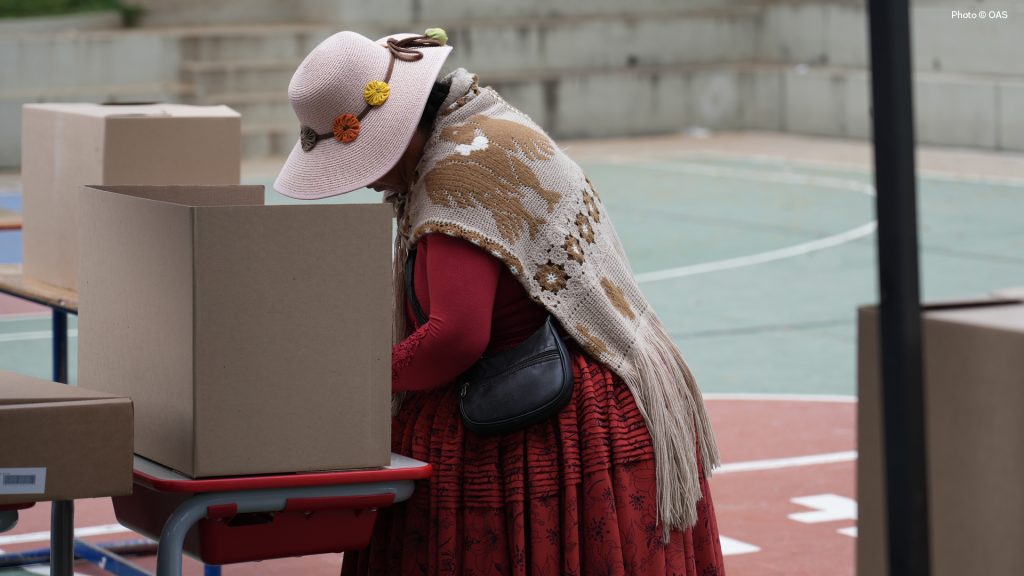
The critical role of international election observers in Kyrgyzstan

International election observers have significantly contributed to Kyrgyzstan’s democratisation and transitional justice in the aftermath of the 2005 and 2010 political upheavals. It is worth reflecting on election observation as not merely a technical exercise but also a deeply human rights-oriented endeavour.

The critical role of international election observers in Kyrgyzstan Read More »

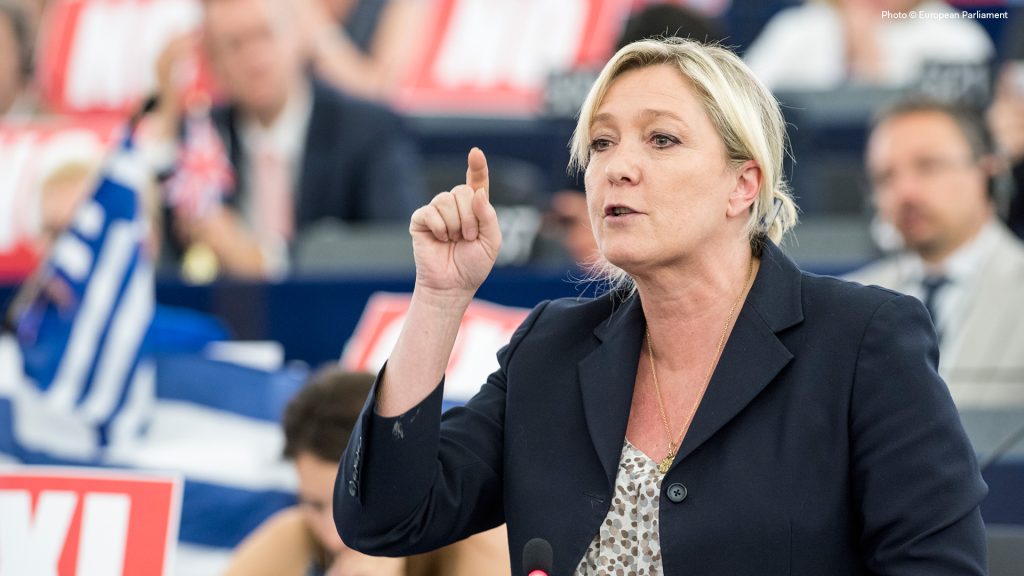
The rise of far-right movements in the EU: human rights at stake in the old continent?

Recent elections have seen a surge in far-right movements, raising concerns about the future of human rights across the European Union. This post delves into the potential consequences of this political shift and its impact on the continent.

The rise of far-right movements in the EU: human rights at stake in the old continent? Read More »

Tunisia’s new local governance project and the risk to jeopardise political stability and democratisation

The new local architecture developed unilaterally by President Said presents a model of governance bound to pose serious challenges to democracy-building efforts in a young democracy like Tunisia. Above all, it would continue to widen the gap between citizens – particularly young people increasingly disengaged from political life – and those in power.

Tunisia’s new local governance project and the risk to jeopardise political stability and democratisation Read More »

Deliberative democracy: Facilitating environmental protection

The interplay between states and corporations is complex because of the increasingly blurred line between their spheres of influence. It is worth exploring the benefits of deliberative governance as a means of transparency in the decision-making process that fosters public participation and effective environmental protection.

Deliberative democracy: Facilitating environmental protection Read More »