Global Campus of Human Rights | Education & Research

FULL MENU

Central Asia

The growing importance of children’s rights within contemporary debates on peace and humanitarian governance

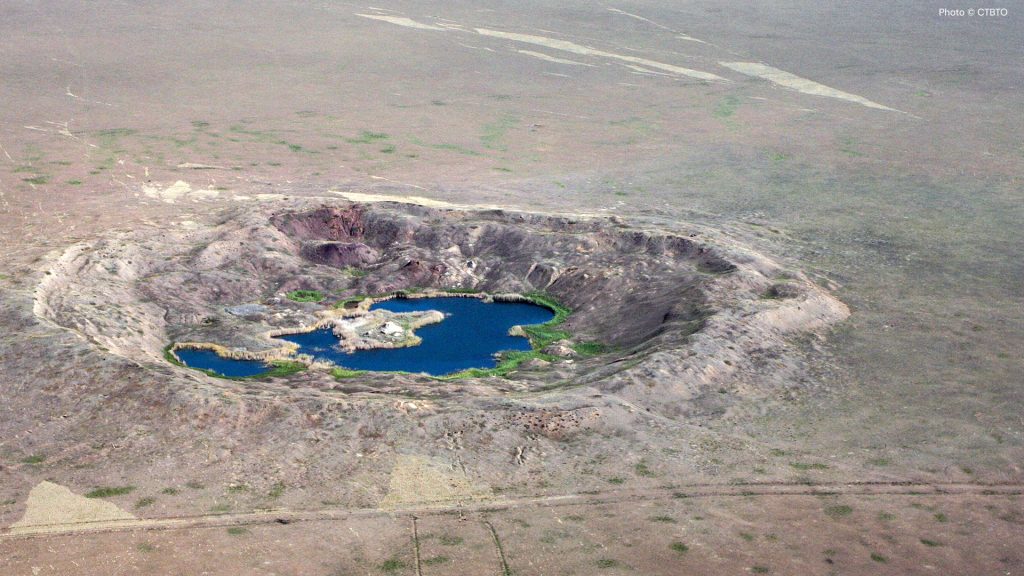
Kazakhstan taught the world to treat nuclear testing as an intergenerational rights emergency. That achievement now obliges it to protect the children who made the argument possible — something not yet happening in the field.
The growing importance of children’s rights within contemporary debates on peace and humanitarian governance Read More »

Collective care for gender liberation: a non-binary Central Asian perspective

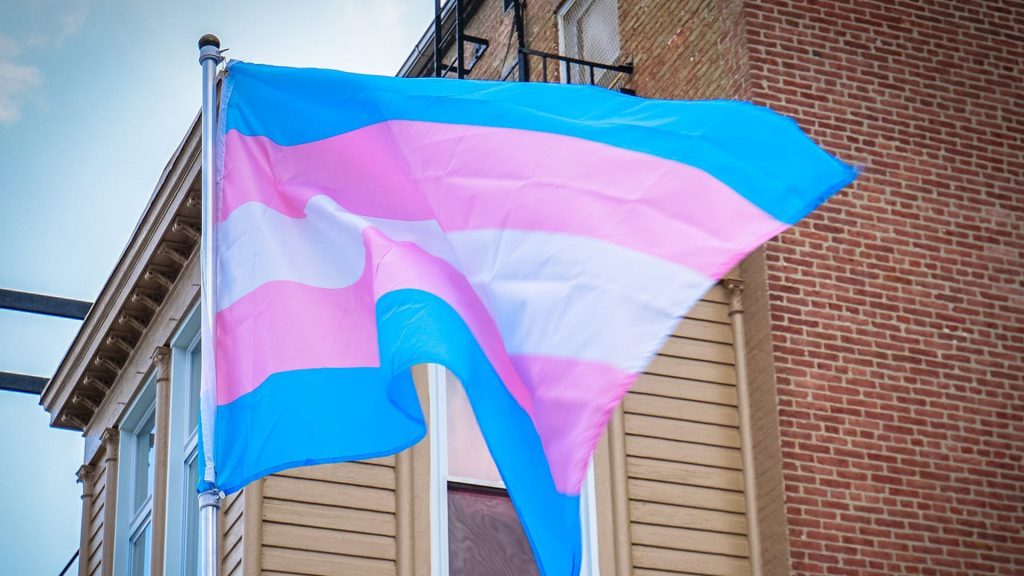
Trans lives are often survival-focused and precarious, having to defend the basic right to exist. Every anti-trans law gives legal justification to deny our right to live with dignity. Multiply-marginalised trans people are often most affected with least say.

Collective care for gender liberation: a non-binary Central Asian perspective Read More »

Children’s rights in Kazakhstan: discrepancies of child protection from violence in paper and in practice

Children, as rights holders, require effective protection from violence, abuse, and neglect. Kazakhstan illustrates a situation where this right is well established in law but lacks effective practical mechanisms for implementation.

Children’s rights in Kazakhstan: discrepancies of child protection from violence in paper and in practice Read More »

Environmental injustice and commuting struggles: rethinking urban mobility in Bishkek

Bishkek’s growing traffic and pollution, alongside shrinking green spaces reveal deep urban inequality. It is worth calling for a shift toward a sustainable 15-minute city model, where clean air, short commutes, and public services are accessible to all.

Environmental injustice and commuting struggles: rethinking urban mobility in Bishkek Read More »

The critical role of international election observers in Kyrgyzstan

International election observers have significantly contributed to Kyrgyzstan’s democratisation and transitional justice in the aftermath of the 2005 and 2010 political upheavals. It is worth reflecting on election observation as not merely a technical exercise but also a deeply human rights-oriented endeavour.

The critical role of international election observers in Kyrgyzstan Read More »

Literature and Human Rights: The Case of the Hazaras in Afghanistan

Victims of human rights violations are often reduced to numbers while their pain and suffering remain unreflected. Novels such as The Kite Runner resist against this treason to truth. Through a generalisable example, real or fictious storytelling brings to the reader the mostly unrecognised identity of victims as well as the experience of their challenges.

Literature and Human Rights: The Case of the Hazaras in Afghanistan Read More »

The Taliban Rule and the Radicalisation of Education in Afghanistan

Since their takeover of power in Afghanistan, the Taliban have made several decisions to radicalise the education and higher education systems, on the basis of an extremely conservative interpretation of Sharia. The consequences are dire and far-reaching, affecting certain disadvantaged groups more than others. The most affected are young girls whose access to secondary education is banned.

The Taliban Rule and the Radicalisation of Education in Afghanistan Read More »

The Manifesto of Darkness: An Examination of Taliban’s Ideals

The future of human rights in Afghanistan is dark. Since the Taliban regime needs recognition by the international community, they do not fully execute their ideals in society. Nonetheless, the chief justice’s recently published book on the Islamic Emirate system has been endorsed by their leader and reveals statements having serious implications for the promotion and protection of human rights.

The Manifesto of Darkness: An Examination of Taliban’s Ideals Read More »