Global Campus of Human Rights | Education & Research

FULL MENU

Global

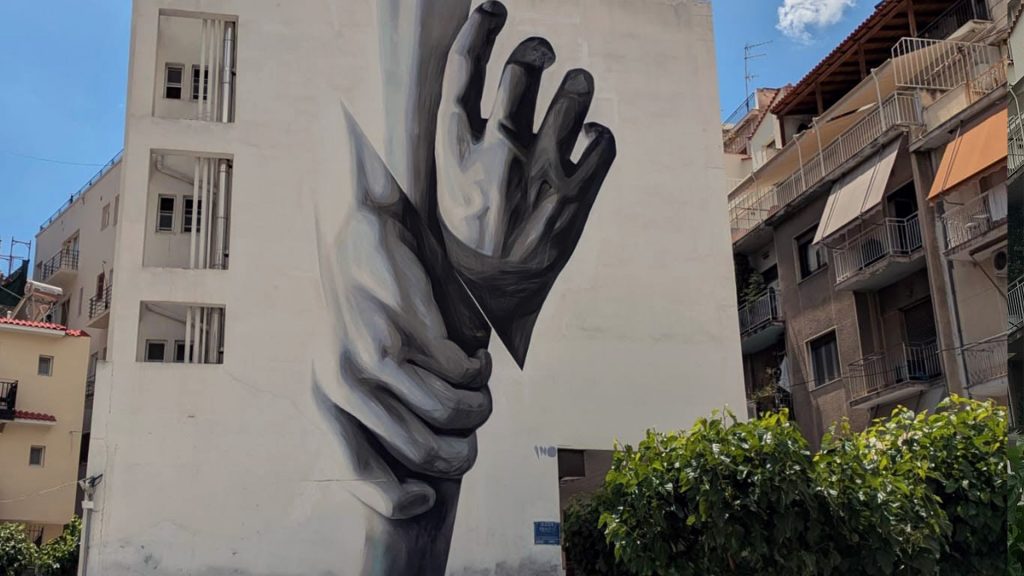
A neurocognitive-based method for elaborating child-accessible judicial rulings: the didactic preface

Why are child-accessible rulings well intended but ineffective substitutions of a legal judgment? Child-accessible justice needs to consider the neurocognitive traits that are obstacles to justice for children. Ignoring these traits results in child-friendly ‘simulated’ justice.

A neurocognitive-based method for elaborating child-accessible judicial rulings: the didactic preface Read More »

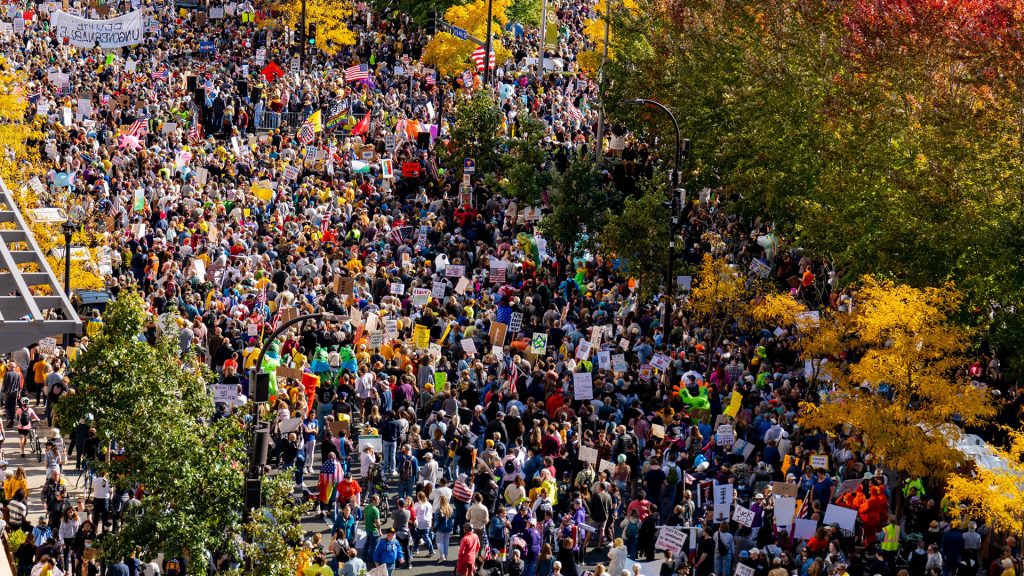
Human rights activism: super big or super small or what strategy in times of aggressive populism and post-democracy

Attacks on human rights activists are frontal, powerful, and effective. The weakening and marginalisation of human rights activism follow two paths. The strategy of resilience and vitality of civil activism is moving in two opposing directions – super big (protests) and super small (volunteering and civic activism). New generations of students, intellectuals, and activists recognise the challenges facing democracy, freedoms, and rights but are determined to change the world.

Human rights activism: super big or super small or what strategy in times of aggressive populism and post-democracy Read More »

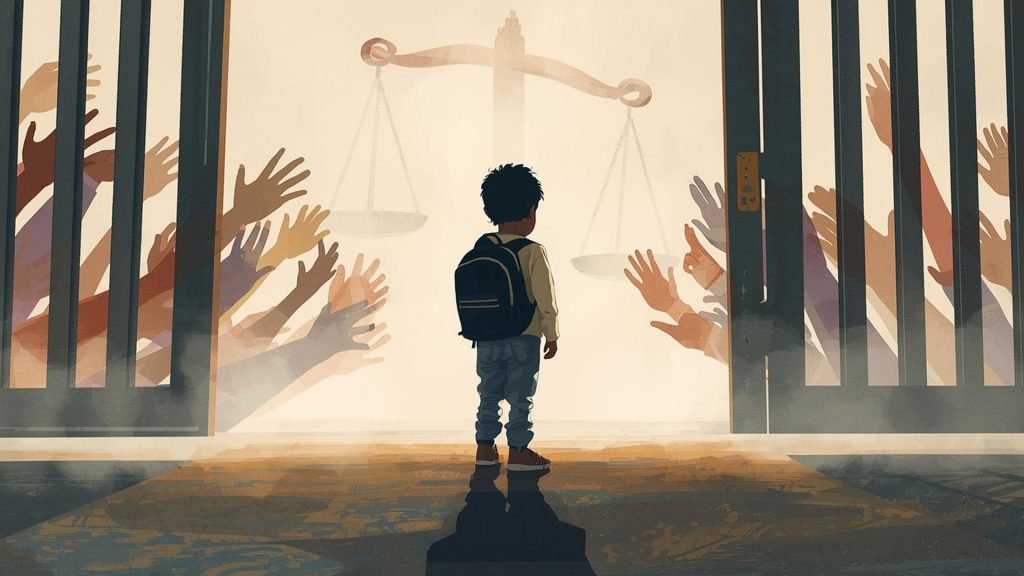
Where childhood meets the border: a call for non-discrimination

The international community grants children rights regardless of status, recognising their vulnerability. Yet in practice, unaccompanied children remain unprotected, as states often prioritise border control over the full realisation of their human rights.

Where childhood meets the border: a call for non-discrimination Read More »

The UN Cybercrime Convention: why it endangers human rights defenders and journalists

The UN Convention on Cybercrime was adopted in spite of multiple concerns regarding the unlimited prosecution powers it grants states. In Latin America, where human rights defenders and journalists are constantly harassed and threatened, this Convention could add to their vulnerability.

The UN Cybercrime Convention: why it endangers human rights defenders and journalists Read More »