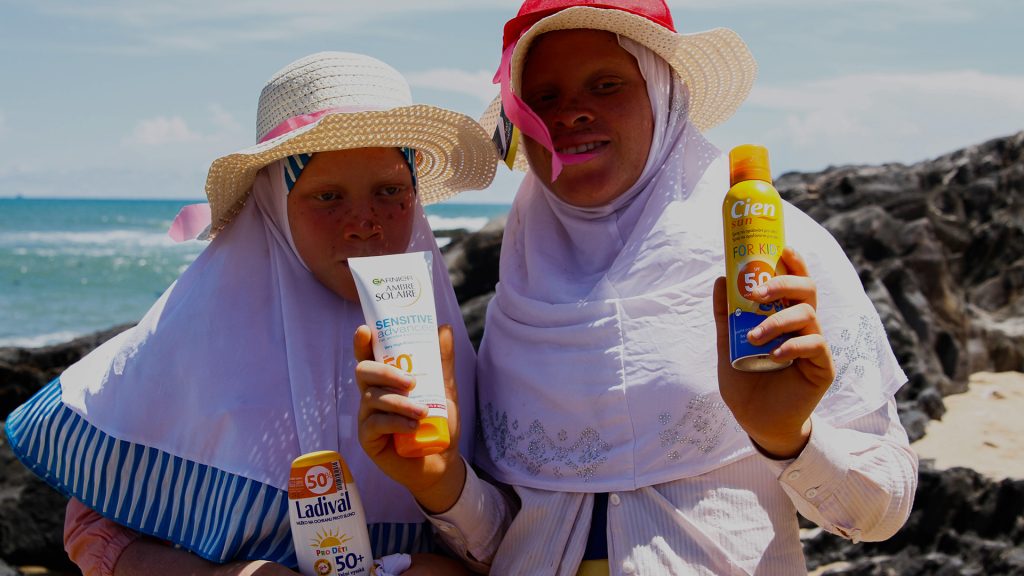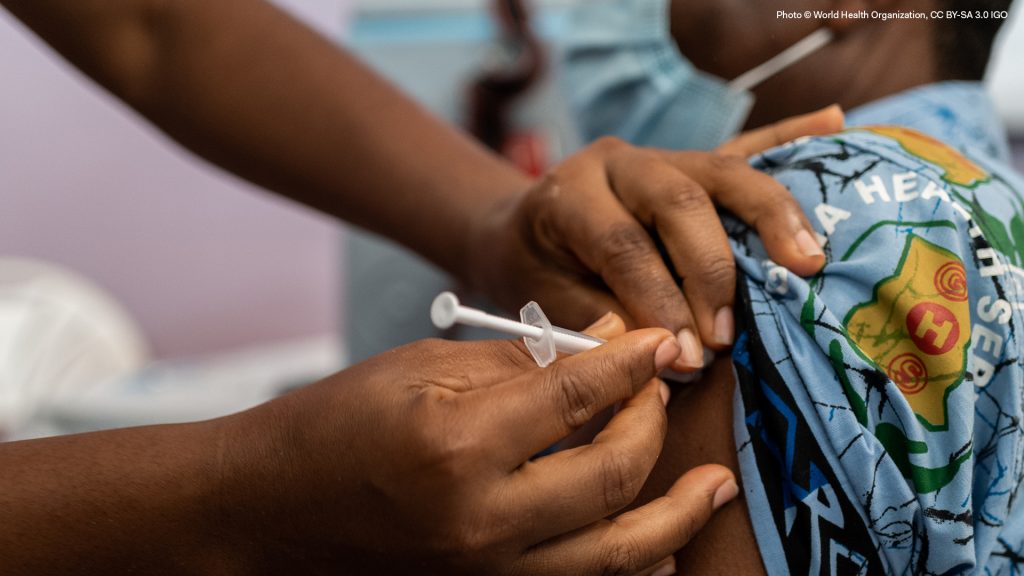
Deepening the Woes: The COVID-19 pandemic and the right to health of persons with albinism in Ghana
The COVID 19 pandemic has increased stigma and discrimination against persons with albinism in Ghana with negative effects on their health.
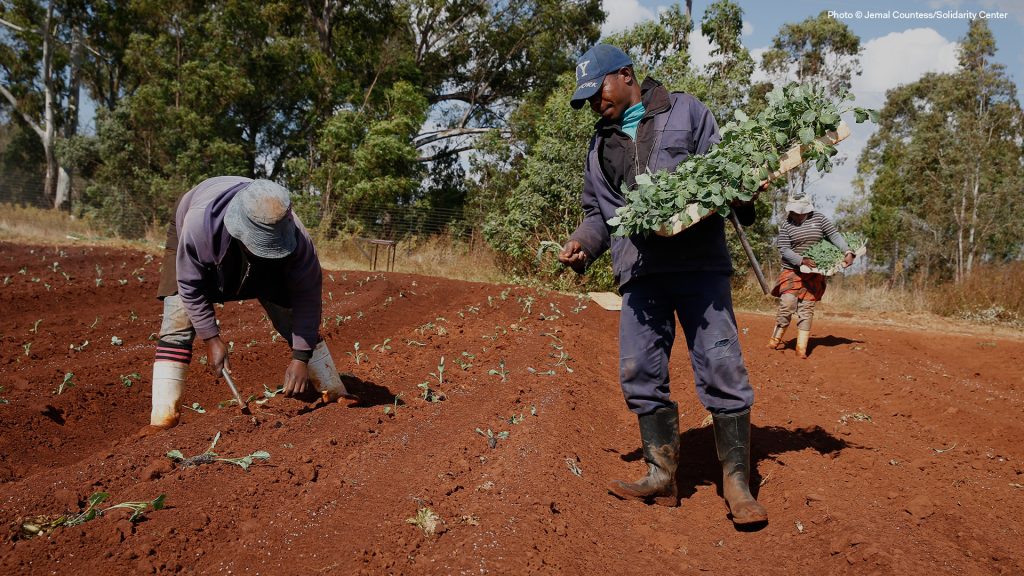
What are the true requirements for ending world hunger? Drawing lessons from community-driven food growing initiatives in South Africa, we advocate for a human rights-based approach to build communities with localised and participatory food systems.
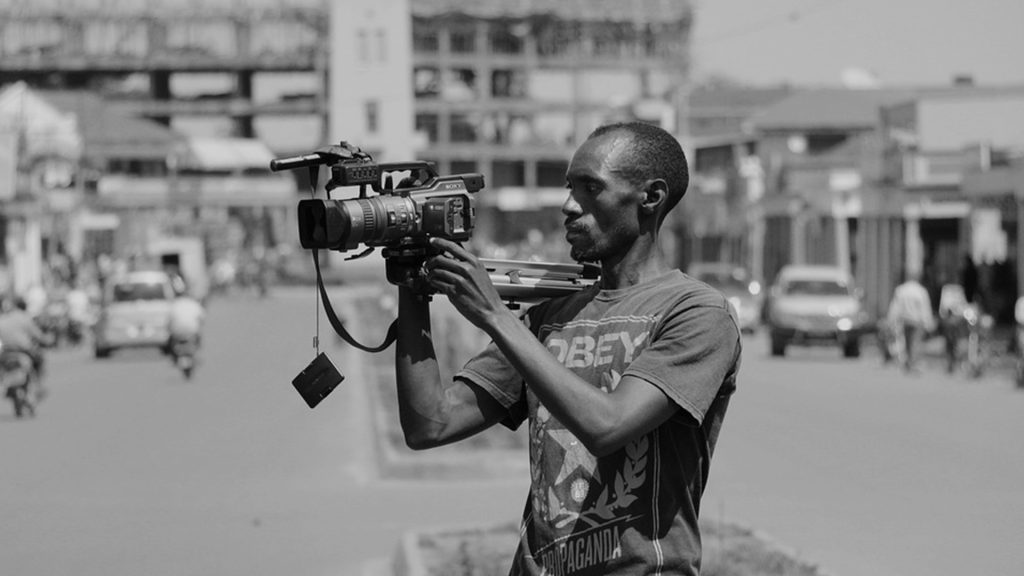
Much has changed since Uganda gained independence in 1962. Yet the country retains colonial laws that impede proper functioning of the media and freedom of expression. State intimidation of journalists also breaches international human rights standards.
Uganda Must Repeal Colonial Laws to Guarantee Media Freedom Read More »
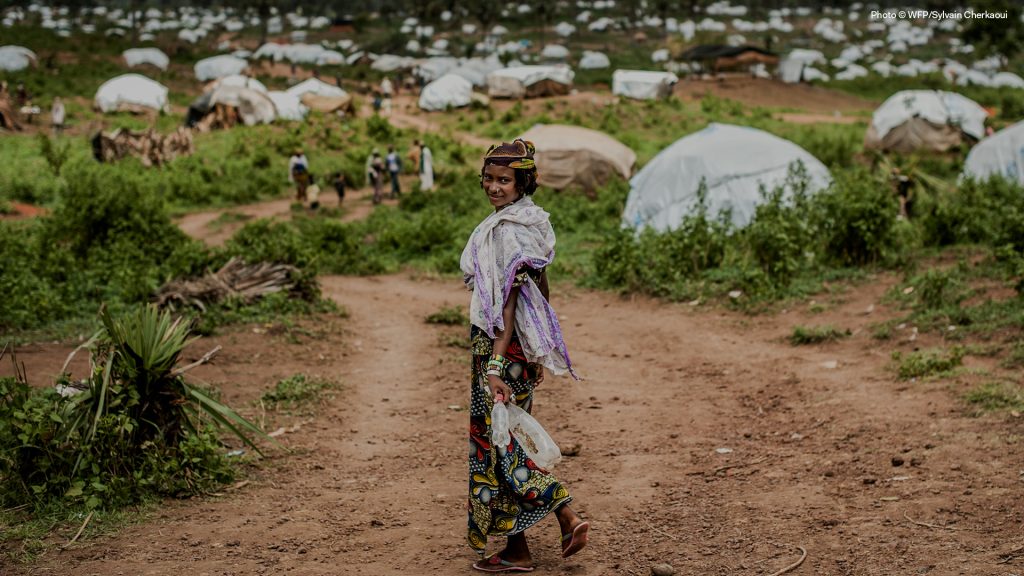
Cameroon is currently facing several human rights protection concerns. The Northern regions suffer from Boko Haram insurgency, the East registers attacks from Central African Republic rebels, and the Northwest and Southwest are facing a violent conflict. Coupled with COVID-19, human rights response has been severely affected.
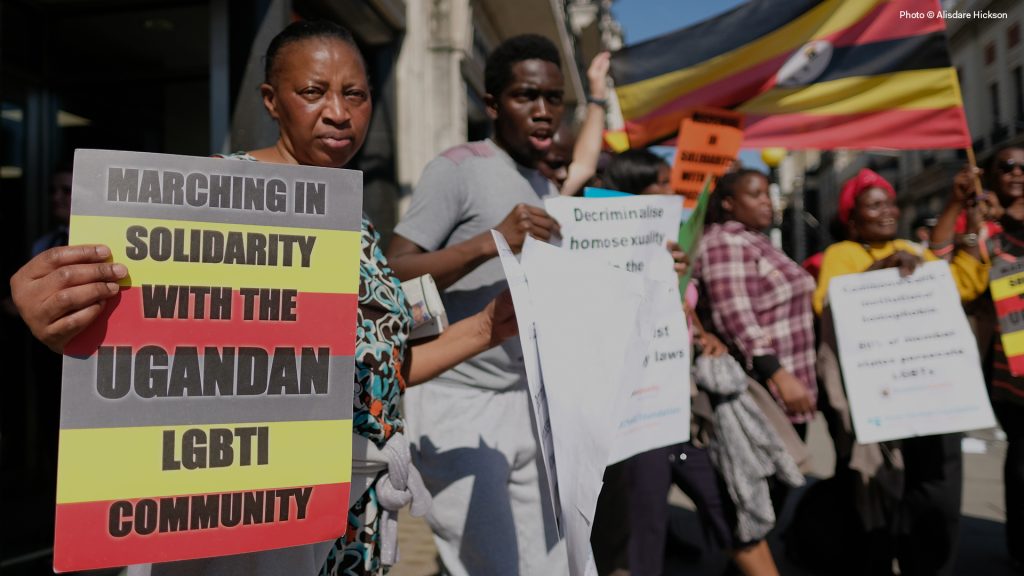
Human rights activists have to resist governments using COVID-19 to discriminate further against the already persecuted LGBTIQ+ community in a continent where traditionalists view sexual minorities as un-African and hate speech from extremist religious and political leaders fuels homophobic violence.
COVID-19 Exacerbates Deep-Rooted Homophobia in Uganda and Throughout Africa Read More »
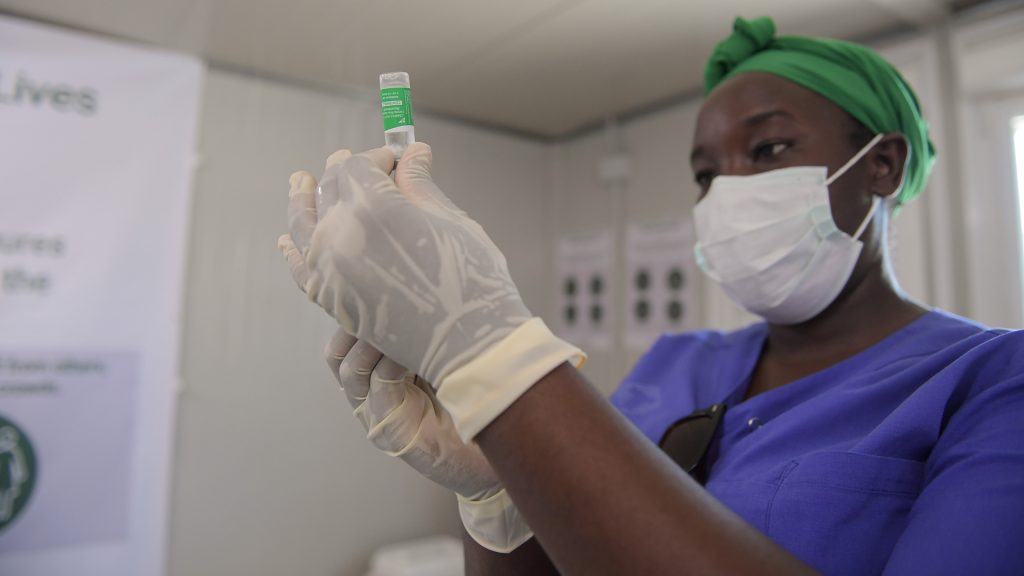
While developed nations are on track in immunising their citizens against COVID-19, Africa lags far behind. The continent needs more supplies but governments and scientific institutions must try harder to dispel widespread public mistrust causing high levels of vaccine hesitancy.
Low Supply and Public Mistrust Hinder COVID-19 Vaccine Roll-out in Africa Read More »
Lockdown-induced restrictions due to COVID-19 have taken a toll on education. With remote teaching being the only feasible way to impart knowledge, underprivileged learners have been disadvantaged. Catch-up classes may be a way to achieve realisation of the right to education.
Building Back Better on the Right to Education amid the COVID-19 Era in South Africa Read More »
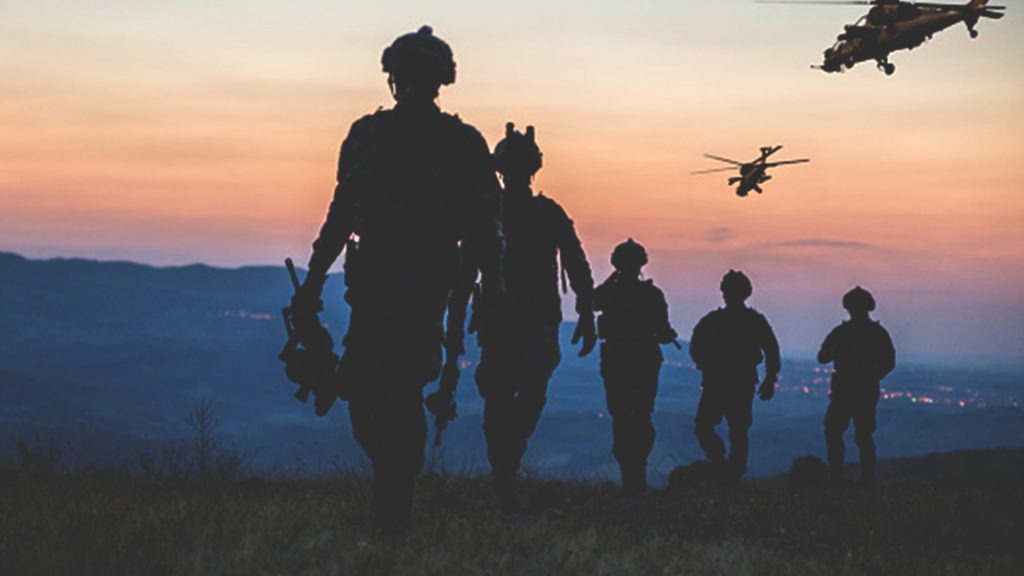
It is clear that the COVID-19 pandemic presents a threat to international peace and security, particularly in Africa, which continues to shoulder the bulk of world hostilities and intrastate armed conflict. A conversation around strategies to mitigate the effects of COVID-19 in this context is therefore critical.
COVID-19 and intrastate Armed Conflicts in Africa Read More »
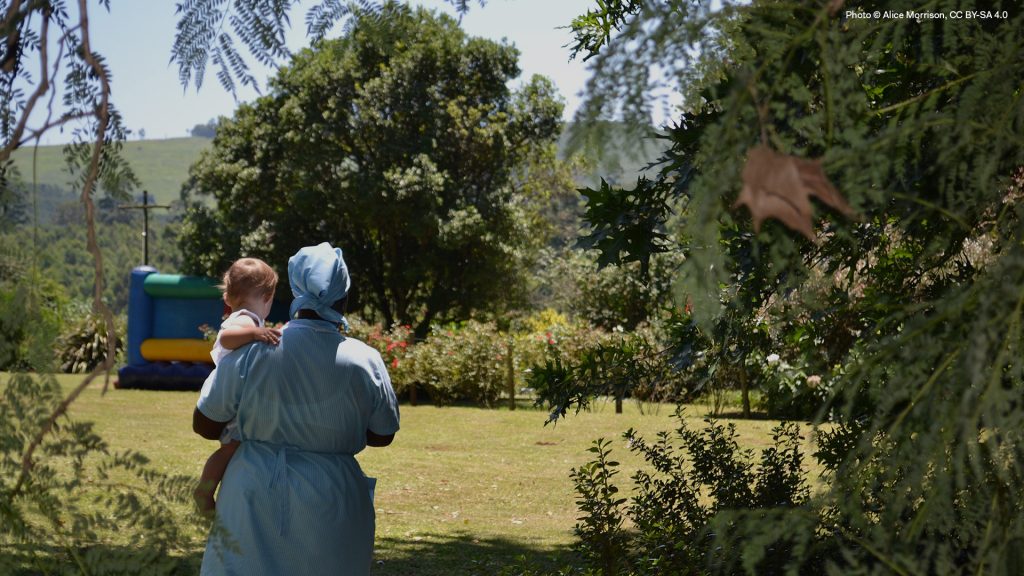
The Special Rapporteur on trafficking in persons, especially women and children, recently explained the basis of an international law obligation to provide consular assistance to victims or purported victims of trafficking. This development provides clarity on the right of African women migrant domestic workers stranded abroad to demand consular assistance from their government representatives.
Consular Assistance as a Right for African Domestic Workers Distressed Abroad Read More »
There is a direct correlation between the COVID-19 pandemic and the rise of violence against women in Mauritius. Domestic violence is a pandemic within the pandemic which often gets blurred out in discourse and policy. There is an urgent call for action to address this chaotic situation.
The Rise of Domestic Violence in Mauritius: A pandemic within the pandemic Read More »