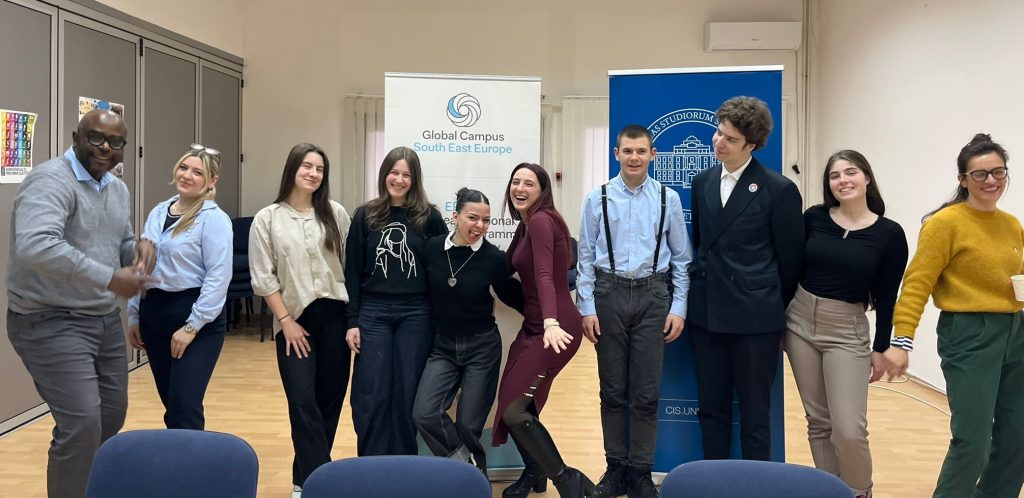
Bringing together Child Rights Regional and Thematic Experts, Youth Advisory Group (YAG) representatives and members of the South East Europe Child Leadership Team (CLT – ERMA), the International Children’s Rights Workshop became a space where collaboration across regions and generations was not just discussed — but lived.
This approach was embedded from the very beginning. Child and youth participants, alongside child rights experts, were actively involved in shaping the workshop itself—from co-developing the programme and agreeing on priorities, to moderating discussions and giving presentations, to now contributing to the follow-up and next steps emerging from the meeting.
Over three days, participants worked side by side to exchange experiences, reflect on projects and lessons learned, and discuss future joint initiatives. Children, young people and adults engaged as partners in dialogue, contributing perspectives from different contexts, and building a shared understanding of both challenges and opportunities in advancing children’s rights.
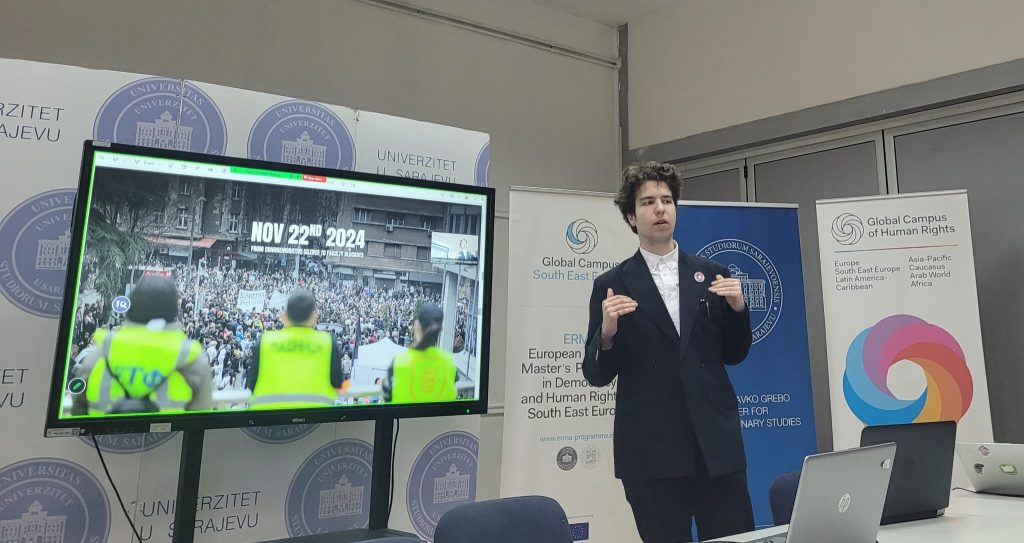
Child and youth leadership was visible throughout. YAG members helped drive conversations on priorities and governance, while the CLT brought insights from concrete projects they are involved in—for example on cyberbullying or the impact of climate change on children’s right to education. A highlight of the workshop was a presentation by YAG members on the ongoing student protests in Serbia—highlighting how young people are actively shaping civic space and advocating for change.
The workshop also created space for connection and reflection beyond formal sessions, including a visit to the War Childhood Museum, deepening discussions on children’s lived experiences in conflict and post-conflict settings.
More than a meeting, Sarajevo was a reminder that participation and cross-regional collaboration are not abstract principles, but the foundation of the child rights work developed by the Global Campus in partnership with Right Livelihood—bringing people together to learn from one another and to act together for children’s rights.