Lately though, that uncertainty feels like it is tipping more and more to the catastrophic side of things. Wars disrupt food systems, artificial intelligence transforms labour markets, inflation, debt, and economic instability make everyday life increasingly unaffordable for millions of people. Uncertainty is becoming factual, material insecurity.
To some, these crises may seem distant or abstract, but reality is that they affect us all, their consequences are deeply concrete, and they reach Latin America directly.
This series, which will contain three blogs, asks the big question: how can human rights provide security in these uncertain times?
The word ‘security’ is often associated with borders, policing, or military power. But human security also means being able to access food, find dignified work, afford basic goods and services, live without fear of sudden impoverishment, and rely on institutions that protect people when global shocks reach their homes. From a human rights perspective, security is not only about protecting states, it is also about protecting people.
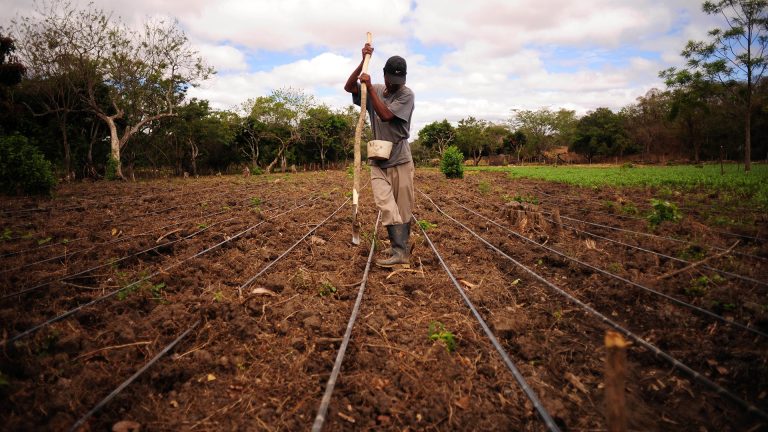
The first blog will address food security. It will explore how wars, geopolitical tensions, disrupted supply chains, and rising prices affect the right to food, especially in regions like Latin America, where global instability can quickly translate into higher food costs, shortages, and increased vulnerability for low-income households.
The second blog will focus on job security in the age of artificial intelligence. It will examine how automation, algorithmic management, and AI-driven transformations in the labor market may affect the right to work, labor protections, equality, and social security. The question is not only whether AI will eliminate jobs, but whether States are prepared to protect workers during technological transitions.
The third blog will discuss AI and human rights. The blog argues that artificial intelligence creates uncertainty not only for jobs, but also for rights. AI systems can affect access to work, social benefits, health, education, privacy, information and democratic participation. A human rights approach helps ensure that these systems are transparent, accountable, non-discriminatory and open to challenge when they harm people.
The common thread running through the series is that global events do not remain global. A war in one part of the world can affect the price of bread, fuel, and fertiliser in Latin America. A technological shift led by companies in the Global North can reshape employment prospects in the Global South. A financial or inflationary shock can determine whether families can afford rent, food, medication, or transportation.
For Latin America, this is particularly important. The region is deeply exposed to global economic, technological, and geopolitical changes, while still facing structural inequality, informality, weak social protection systems, food insecurity, and uneven access to public services. In this context, uncertainty does not affect everyone equally. It falls hardest on those who already live with fewer resources, less institutional protection, and fewer margins for error.
Human rights do not eliminate uncertainty. They do not prevent wars, stop inflation, or reverse technological change on their own. But they provide a framework for asking better questions: Who is most affected? What obligations do states have? What protections must be guaranteed? What policies are needed to prevent global shocks from becoming local human rights crises?
This series argues that human rights can provide a path of protection, accountability, and redistribution in a world where insecurity is being increasingly normalised. And provide the tools so that food, work, and affordability are not only market outcomes but conditions for dignity.
In an uncertain world, human rights help define what must remain secure and certain.
This week we are delighted to publish the Introduction to three posts on insecurity in Latin America/Caribbean by Sara Cristina Benítez-Mongelós, the blog’s regional correspondent for Latin America.
The GCHRP Editorial Team