Global Campus of Human Rights | Education & Research

FULL MENU

Global

Why is Data Accessibility a Human Rights Issue?

The COVID-19 pandemic revealed a gap between existing technical capabilities in data analytics and the ability of public authorities to use them. While some societies were able to implement solutions based on data analytics, others, due to low mobile internet penetration, lack of appropriate legal frameworks or limited digital literacy in the population, were forced to rely on traditional forms of response to the spread of SARS-CoV-2.

Why is Data Accessibility a Human Rights Issue? Read More »

Codifying Human Rights Approaches Into the Law of Disaster Response

The International Law Commission’s project on the Protection of Persons in the Event of Disasters explicitly adopts a human rights-based approach to its core subject. Whether this will lead to harder forms of justiciability will largely depend on the capacity to frame disasters not as natural events but as both drivers and consequences of economic inequality.

Codifying Human Rights Approaches Into the Law of Disaster Response Read More »

The Right of Children to a Healthy Environment: Intergenerational rights are children’s rights

The term ‘intergenerational equity’ relates to the rights of ‘future generations’ which is often taken to refer to those ‘yet to be born’. Child/youth climate activists are however demonstrating that present children intersect with future generations, and that intergenerational rights are children’s rights.

The Right of Children to a Healthy Environment: Intergenerational rights are children’s rights Read More »

The Proliferation of Cyber War and International Humanitarian Law

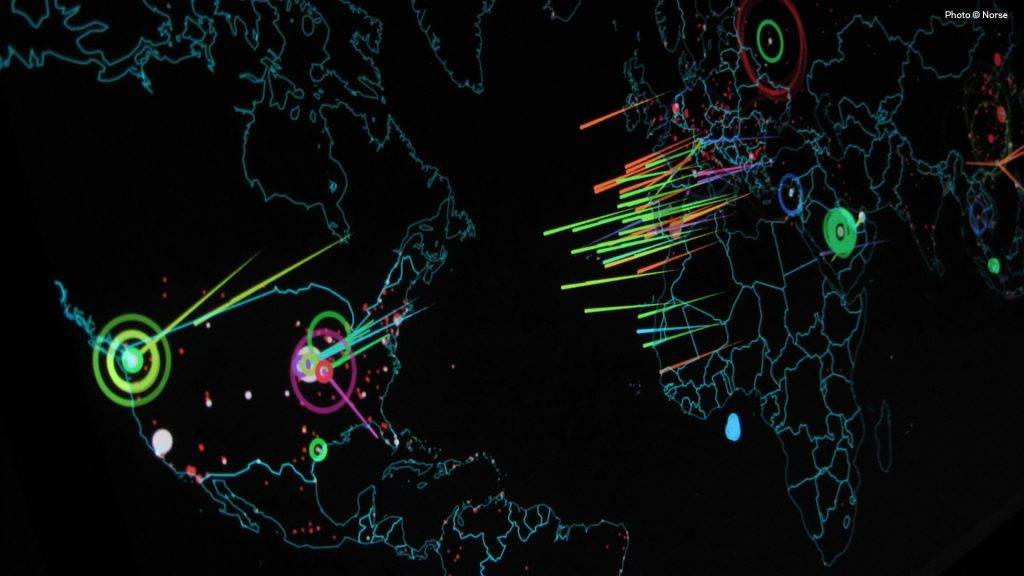
The extraordinary growth of cyberspace has created new possibilities and threats in warfare. It has become crucial to identify a common understanding of cyber warfare if we are to effectively protect civilians from the direct and intentional effects of cyber operations.

The Proliferation of Cyber War and International Humanitarian Law Read More »

Human Rights in the Era of Automated Decision Making and Predictive Technologies

Advances in Natural Language Processing and machine learning have made it possible to design predictive models that can be used to assist judicial proceedings. Such technologies transform the legal profession; guaranteeing that this does not disrupt the rule of law, access to justice, fair trial and contestability is a substantial challenge.

Human Rights in the Era of Automated Decision Making and Predictive Technologies Read More »