Global Campus of Human Rights | Education & Research

FULL MENU

Preparedness

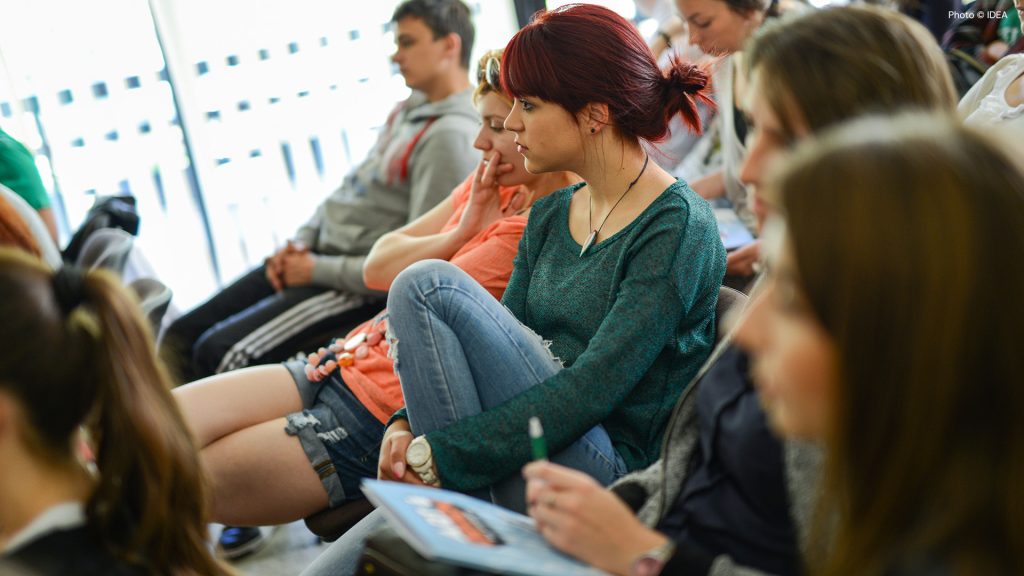
Between sensationalism and facts: how Serbian media reports on youth and drugs

An analysis of five Serbian tabloid articles on youth and drugs identifies a sustained pattern of sensationalist framing, stigmatising language, and absent public health context, offering key recommendations for more responsible reporting.

Between sensationalism and facts: how Serbian media reports on youth and drugs Read More »
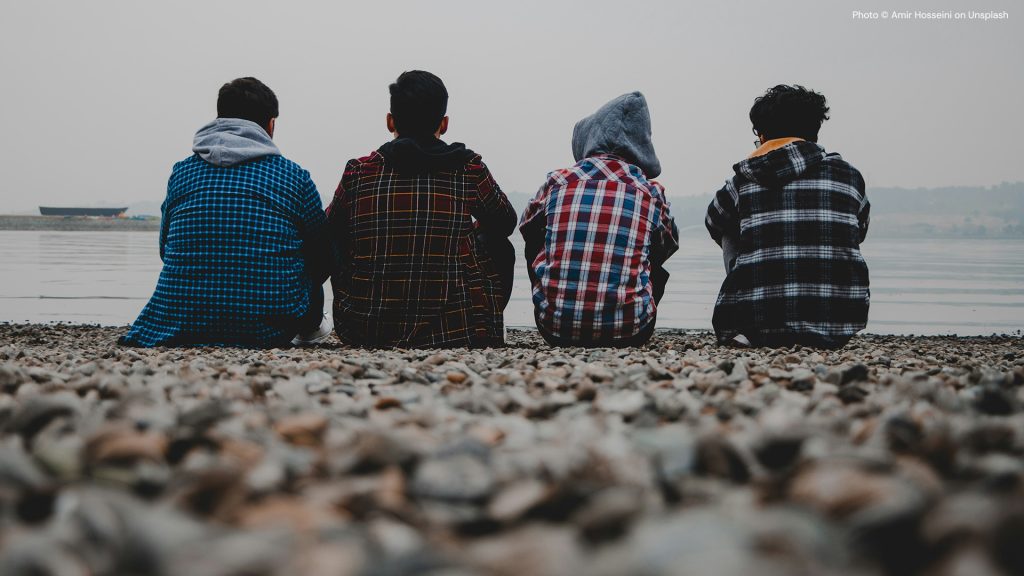
The price of a moment of ‘joy’: how drugs change the lives of young people in BiH and Serbia

Youth drug use in Bosnia and Herzegovina and Serbia should be examined in view of social, family, and psychological factors behind addiction. Based on statistics, scholarly research findings, and an interview to a highschooler, we call for empathy, understanding, and stronger support systems for vulnerable teenagers.

The price of a moment of ‘joy’: how drugs change the lives of young people in BiH and Serbia Read More »

Common myths about drugs among youth and teenagers in Bosnia and Herzegovina

Three common myths about drug use among teenagers in Bosnia and Herzegovina — ‘everyone uses drugs’, ‘occasional use is harmless’, and ‘addiction is easily controlled’— are examined by drawing on semi-structured interviews and secondary research to challenge each misconception, with insights on the role of peer influence and misinformation.

Common myths about drugs among youth and teenagers in Bosnia and Herzegovina Read More »

Introducing Curated #8: Reflections on drugs and drug policy by South East Europe CLT and YAG members

Welcome to our eighth Curated Series, which provides a space to explore how some children and youth from South East Europe perceive drugs and drug policy and the significance of addressing their impact from a human rights and child rights perspective.

Introducing Curated #8: Reflections on drugs and drug policy by South East Europe CLT and YAG members Read More »

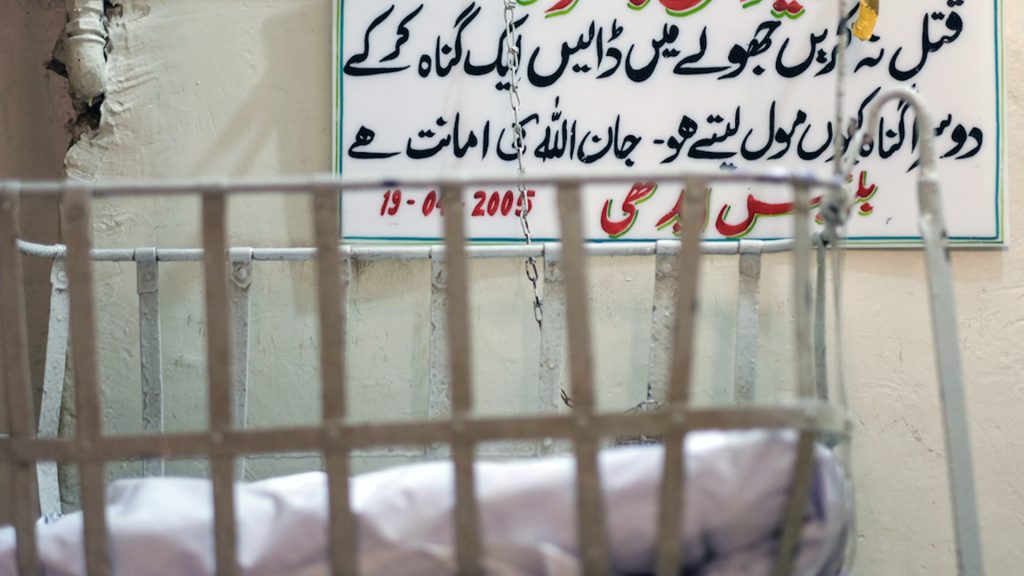
Children born out of wedlock in Pakistan: born and dumped with no rights

The rights of children born out of wedlock in Pakistan remain hidden and ignored, often wrapped in social, cultural, religious, and legal sensitivities. Their protection requires efforts from national human rights organizations, members of the civil society, and at international community to ensure Pakistan’s compliance with its national and international commitments.

Children born out of wedlock in Pakistan: born and dumped with no rights Read More »

Elusive justice, perennial transit: the Eastern mediterranean migration corridor returns to public attention

The upcoming EU Pact on Migration and Asylum reinforces the structural conditions generating permanent transit, embedding the externalisation of border control into the Union’s legal and operational fabric and narrowing migrants’ pathways to protection.

Elusive justice, perennial transit: the Eastern mediterranean migration corridor returns to public attention Read More »

A neurocognitive-based method for elaborating child-accessible judicial rulings: the didactic preface

Why are child-accessible rulings well intended but ineffective substitutions of a legal judgment? Child-accessible justice needs to consider the neurocognitive traits that are obstacles to justice for children. Ignoring these traits results in child-friendly ‘simulated’ justice.

A neurocognitive-based method for elaborating child-accessible judicial rulings: the didactic preface Read More »

Human rights activism: super big or super small or what strategy in times of aggressive populism and post-democracy

Attacks on human rights activists are frontal, powerful, and effective. The weakening and marginalisation of human rights activism follow two paths. The strategy of resilience and vitality of civil activism is moving in two opposing directions – super big (protests) and super small (volunteering and civic activism). New generations of students, intellectuals, and activists recognise the challenges facing democracy, freedoms, and rights but are determined to change the world.

Human rights activism: super big or super small or what strategy in times of aggressive populism and post-democracy Read More »